
Four principles of Judd (color harmony, key points of color coordination)
Published Updated

When thinking about color coordination for fashion or interior design, what do you base your decisions on?
Do you start by choosing a color you like, then select colors that go with it while considering the overall look?
Or do you start by choosing a color that’s appropriate for the occasion, then pick colors that suit you? It can be quite a dilemma, can’t it?
Throughout history, many people have studied color, but the American color scientist Judd (1900–1972) made a significant contribution to the development of modern color science in the 20th century.
The principles of color harmony (color combinations that feel pleasant) summarized by Judd are key points to consider when planning color coordination. While Judd stated that “color harmony is fundamentally a matter of personal preference,” he summarized it into the following four principles.
Do you start by choosing a color you like, then select colors that go with it while considering the overall look?
Or do you start by choosing a color that’s appropriate for the occasion, then pick colors that suit you? It can be quite a dilemma, can’t it?
Throughout history, many people have studied color, but the American color scientist Judd (1900–1972) made a significant contribution to the development of modern color science in the 20th century.
The principles of color harmony (color combinations that feel pleasant) summarized by Judd are key points to consider when planning color coordination. While Judd stated that “color harmony is fundamentally a matter of personal preference,” he summarized it into the following four principles.
Principle of Order
Select colors arranged at equal intervals on a color system or color sphere.
While color systems such as PCCS, the Munsell color system, or others allow colors to be arranged numerically, selecting colors with similar degrees of difference from among them tends to result in a pleasing color scheme.
For example, in PCCS, v2, v10, and v18 share the same tone but differ by 8 in hue. This color scheme, specifically called a triad, is a pleasing combination.
The Principle of Familiarity


We tend to find color combinations that are familiar to us more pleasing.
This includes colors we frequently saw as children, as well as color combinations found in nature that are generally perceived as harmonious by society as a whole.
For example, there is a color scheme technique called "Natural Color Harmony." In nature, hues closer to yellow tend to be brighter, while those closer to blue tend to be darker.
Due to the influence of sunlight, the surfaces of tree leaves facing the sun are yellow-green, while the undersides in the shade are green (which appears slightly bluish). In this way, the color combinations we see every day are generally perceived as pleasing by many people.
The Principle of Similarity

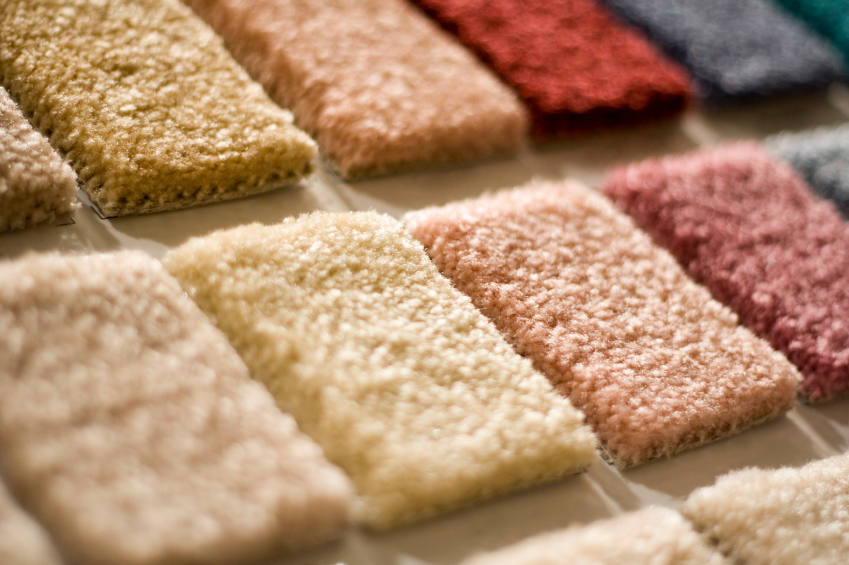
Combinations of similar colors, such as white, beige, and ivory, feel pleasant.
By matching tones to create a cohesive look, you can achieve color combinations that feel clean, intuitive, and easy to accept. Judd also states that even if two paints are initially discordant, if you mix a small amount of one color into the other to narrow the gap between them and create a sense of commonality, the combination no longer appears discordant.
The fact that slight color differences or a “sense” of commonality can make colors appear harmonious likely stems from differences in human vision and experience, meaning there is no single, definitive correct answer.
I think that is what makes color so fascinating.
The Principle of Distinctness

Color combinations with ambiguous differences do not feel pleasant. They are acceptable within a range of similarity, but we seem to have a hard time accepting half-hearted color differences.
Clear color combinations feel more pleasant than ambiguous ones. For example, a red circle on a white background (the Japanese flag) or a combination of navy and light blue are more pleasing than an ivory circle on a white background.
Other Color Coordination Tips
There are many other principles of color harmony as well. Various color researchers throughout history, such as Schüble, Ostwald, and Rued, have proposed a variety of methods.
I will introduce these in more detail at a later time. Please try to enjoy selecting colors while keeping Judd’s four principles in mind!
I will introduce these in more detail at a later time. Please try to enjoy selecting colors while keeping Judd’s four principles in mind!